Influence Profile
No genre data available
Genre information will appear here once available
Trending in Chief Keef’s World
No discography available.
Story
Quick Facts
Born
1995
1995
From
US
US
Journey
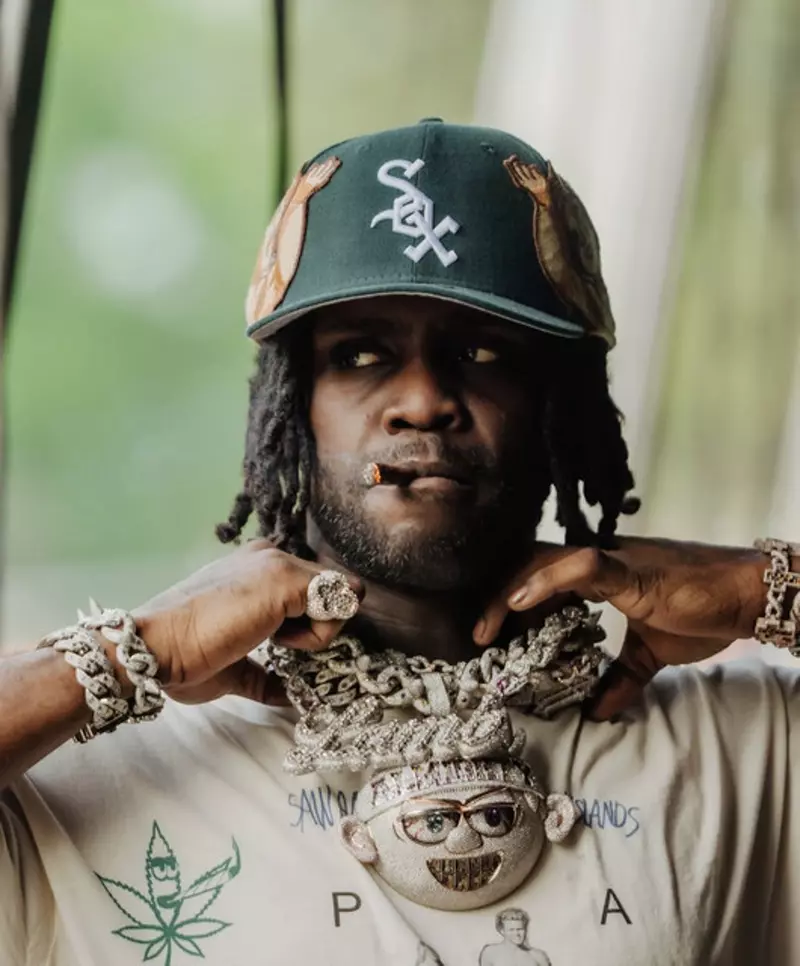
Chief Keef, born Keith Farrelle Cozart in Chicago, Illinois, emerged from the city’s South Side as one of the most influential figures in contemporary hip-hop. Raised in neighborhoods including Washington Park and Englewood, he began recording music as a teenager, turning the realities of his surroundings into songs that quickly attracted attention across Chicago. His early mixtapes and online releases created intense regional buzz and introduced a voice that would soon influence rap far beyond his hometown.
Critics widely credit Chief Keef with helping bring Chicago drill music into the mainstream and recognize him as one of the genre’s founding voices. His breakthrough came with “I Don’t Like” in 2012, later remixed by Kanye West, followed by major recordings such as “Love Sosa,” “Hate Bein’ Sober,” “Faneto,” and “Earned It.” Albums including “Finally Rich,” “Bang 2,” “Almighty So,” “Back from the Dead 2,” “4NEM,” and “Almighty So 2” established a catalog that spans more than a decade of active recording.
Known for minimalist production, heavy bass, repetitive hooks, and an unmistakable vocal style, Chief Keef helped define the sound of drill and influenced a generation of artists across the United States and internationally. His collaborations include Kanye West, Travis Scott, 50 Cent, Rick Ross, Wiz Khalifa, Young Jeezy, A Boogie wit da Hoodie, Lil Yachty, Lil Reese, Philthy Rich, Tadoe, Gucci Mane, Lil Wayne, A$AP Rocky, Juice WRLD, and Playboi Carti.
In addition to his major-label work, his music has appeared through independent and collaborative outlets, including Cleopatra Records and Hittin' Spittin Ent./Rapbay/Urbanlife Music, with releases such as “Another Mood” and “Menace II Society.” He also founded Glo Gang, which serves as both a label and creative brand. Chief Keef continues to record, perform, and shape hip-hop culture. His legacy rests not only on hit records but on his central role in transforming drill from a local Chicago movement into a global rap force.